
The Hundred Franchises Lock In Non-Gambling Commercial Partners
Prior to the 2026 edition, all eight of The Hundred‘s franchises had primary sponsors in non-gambling companies. This represents a significant shift from previous criticism of the ECB’s decision to allow betting businesses to sponsor teams for a single season.
Following the sale of shares in a number of franchises to new investors, including IPL team owners and other private groups, the franchises were given the freedom to form their own corporate partnerships.
Despite concerns about the sponsorship market and the Premier League’s restriction on front-of-shirt betting sponsors beginning in 2026-2027, each team has found a principal sponsor outside the gambling industry.
The Hundred’s managing director, Vikram Banerjee, stated that while gambling and the betting industry play a significant role in sports sponsorship, there will be no visible betting sponsorships starting next year.
This is a strong stance that sets the Hundred apart from other cricket leagues.
“Myself and the ECB are well aware of the family audience and what we’re attempting to do as a brand. Our position was to see if we could get it banned for the year.
We had a good debate, and the [Hundred] board agreed, in my opinion, that it’s an opportunity for us to make a stronger statement than any other sport in the world,” he continued.
To maintain the Big Bash League’s (BBL) family-friendly reputation, Cricket Australia has long prohibited bookmakers from sponsoring BBL teams. Similarly, gambling is completely prohibited in the Indian Premier League (IPL) market.
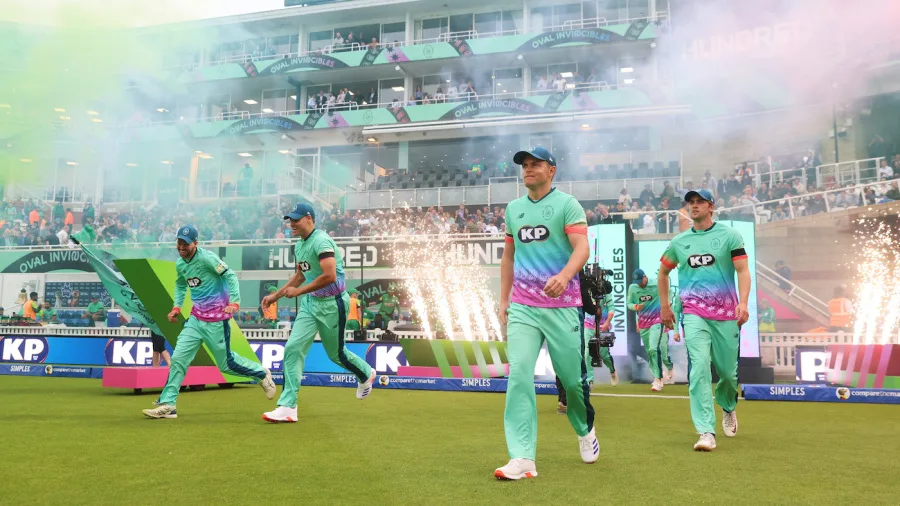
Prior to The Hundred 2026, only three of the eight teams had front-of-shirt sponsors. The tournament’s jerseys were revealed on June 1. The remaining five teams have completed sponsorship deals with businesses in non-gambling industries.
“We felt as a board that this year – with all the operational change that’s going on, all the transition that’s happening, plus, frankly, quite a challenging market with the Premier League going through changes and all the rest of it – [that] just a one-year transition period was helpful for some of the teams to see them through this year,” “It has worked well.” “We’ve found a reasonable, sensible, and practical approach for this year,” he continued.
