

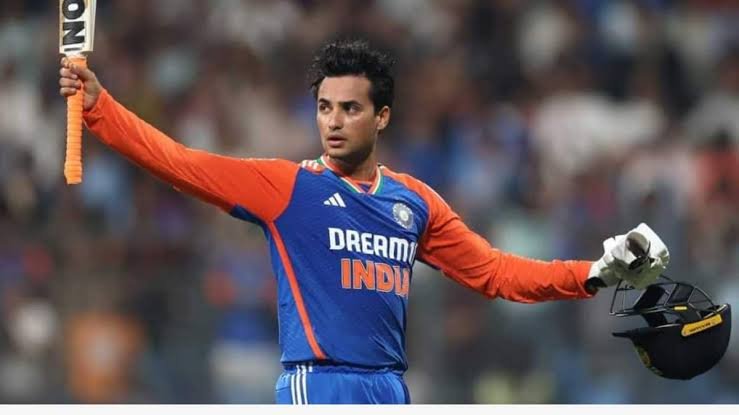
Abhishek Sharma’s Personality Rights Protected by Delhi HC
Indian batter Abhishek Sharma‘s personality rights have been protected by the Delhi High Court, which prohibits third parties from using his name, image, or likeness for commercial or private purposes, including the production and distribution of AI-generated content and the unapproved sale of goods.
On July 9, Justice Jyoti Singh issued an interim injunction requiring Meta Platforms, other web platforms, and e-commerce vendors to remove the infringing links.
The cricket player’s reputation and business interests were harmed when altered photos and videos of him were shared on numerous social media platforms. Unauthorised clothing bearing his name and likeness was being marketed on a number of internet marketplaces at the same time.
False images of Abhishek Sharma with his manager—who was mistakenly identified as his girlfriend—were included in the AI-generated content.
Why did the court consider the content under dispute to be especially damaging?
The judges noted that Abhishek Sharma is a well-known member of the Indian national cricket team and a rising worldwide star, and they concluded that the content under dispute was inaccurate, offensive, and negatively portrayed the cricket player. The court emphasised that people with established personality rights should be shielded from unlawful commercial use of their identities.
What number of infringing URLs are involved in this case?
Although Abhishek Sharma first presented the court with about 25 URLs, the total number of allegedly infringing connections eventually increased to almost 4,000. Gaurav Bahl, Sharma’s attorney, told the High Court that a number of offensive URLs had subsequently been taken down.
Only two Instagram links were still active on Meta Platforms’ platforms, the company informed the court, and it promised the bench that they would be removed shortly.
Defendants received summonses and notices from the High Court via their registered addresses and social media profiles. A follow-up hearing on the topic is set for November 17.
This case represents a major advancement in the way Indian courts are addressing AI-generated deepfakes and unapproved personality exploitation on digital platforms, especially in light of the growing online misuse of public people’ identities.
